
The Legend of Tbilisi’s Founding: King Vakhtang Gorgasali and the Pheasant

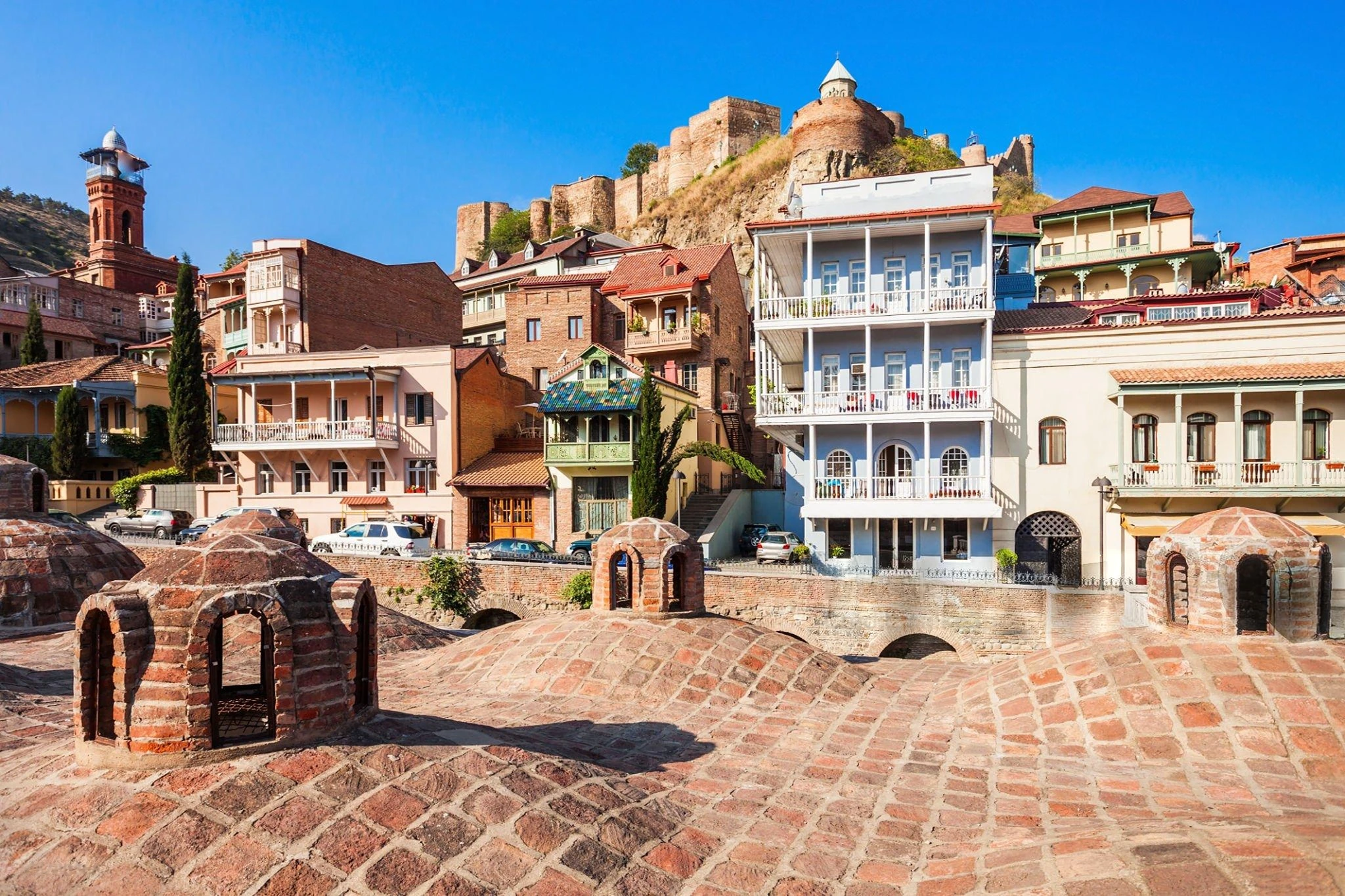
Tbilisi is an ancient city, dating back 1,560 years. Like every ancient city, it has its little secrets and a mystique that surrounds it. It was once covered in forests, providing hunting grounds for kings who lived in nearby Mtskheta, Georgia’s capital at the time. The myth of how Tbilisi came to be the key city of Georgia has shaped Georgian identity for centuries. It is an interesting and captivating tale that we tell our guests when we explore the area by traditional baths, and we can actually smell and see the sulfur springs around the river.
At the heart of the legend stands King Vakhtang I Gorgasali, a 5th-century ruler, who was hunting a peasant and came across the hot sulfur springs. Due to the springs, he called this city Tbilisi, deriving from the word “tbili”, which means warm. The statue to peasant is placed in front of the bath district to commemorate this legend.
Georgia in the 5th Century – Some Background
At that time, Eastern Georgia, then known as the Kingdom of Iberia, was caught between powerful empires: to the west lay Byzantium and to the east, the Sassanian Persian Empire. Positioned at the intersection of major trade routes, the region became a vital cultural and strategic crossroads, continually shaped by shifting religious influences and ongoing political tension.
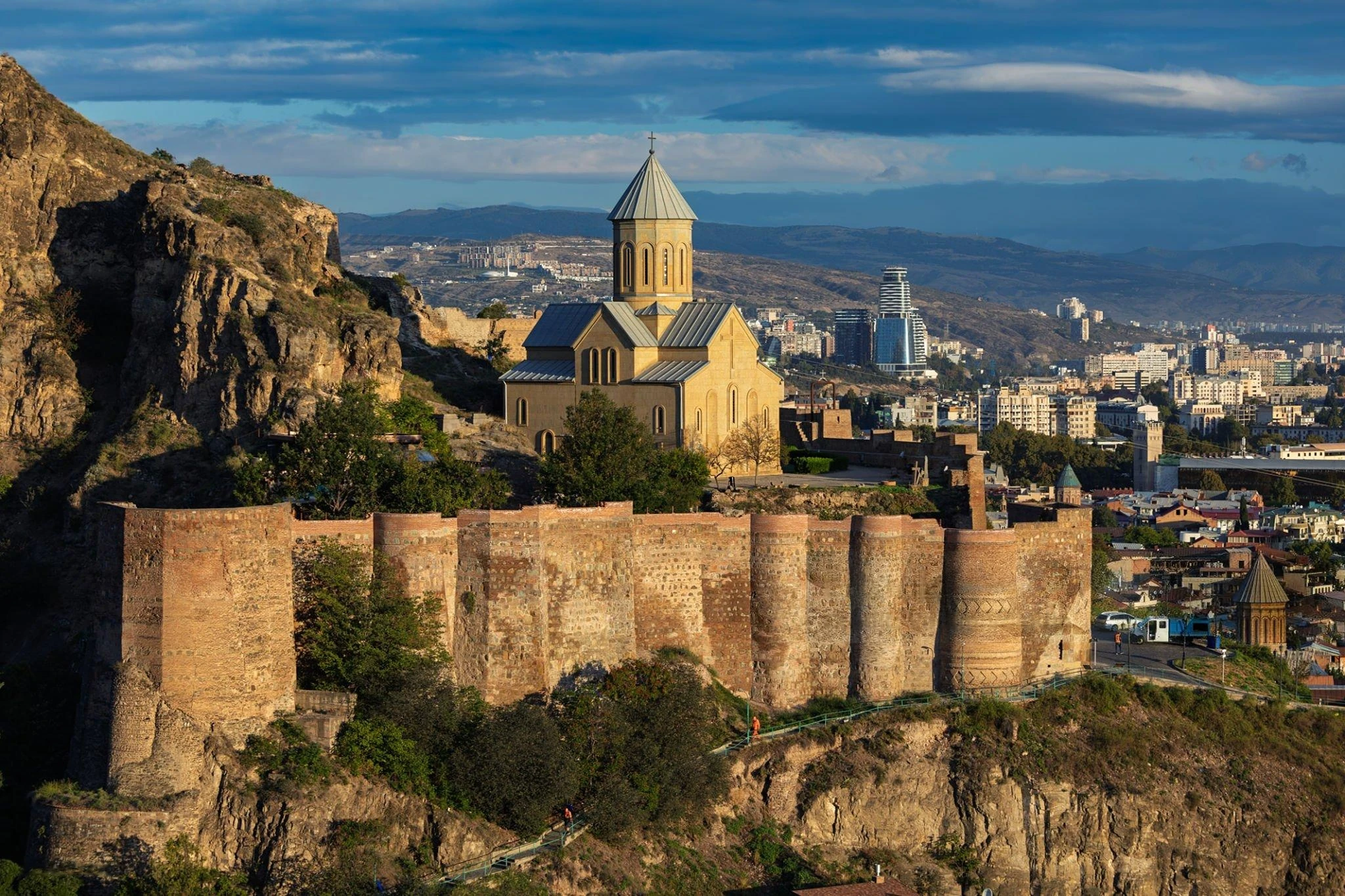
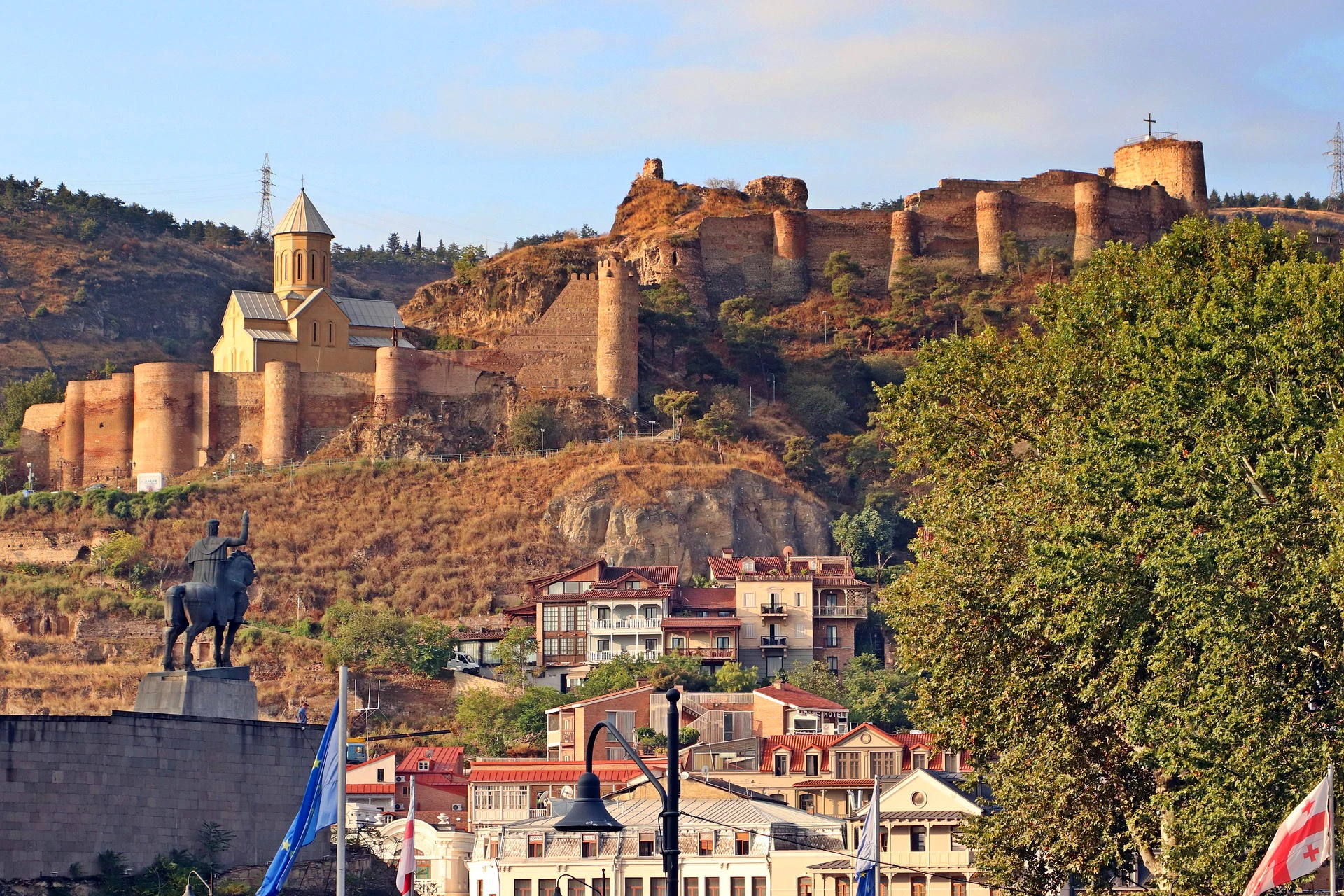
It was in this unstable era that King Vakhtang I Gorgasali came to power. His title, “Gorgasali,” comes from the Old Persian word meaning “wolf-headed,” referring to the distinctive helmet he wore in battle. Remembered as more than a formidable warrior, Vakhtang was also a visionary reformer and a devoted ruler who sought to strengthen Iberia’s unity and safeguard its independence. You can see his statue in front of the Metekhi church across the river from the sulfur baths.
The Pheasant and the Hot Springs
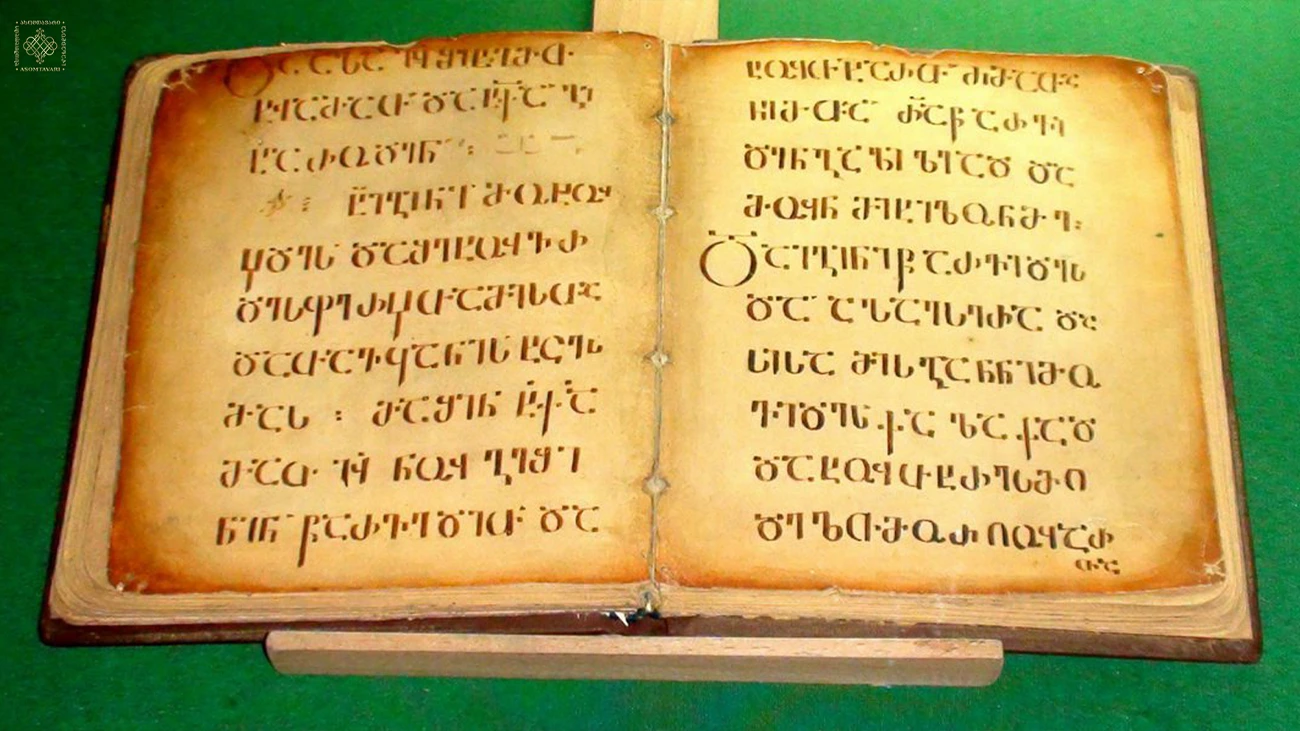
Kartlis Tskhovreba, translated as “The Life of Kartli” or “The Life of Georgia,” is a medieval Georgian chronicle and one of the most important sources for the early history of Georgia. It is not a single book written by one author, but a collection of historical texts compiled over several centuries, beginning around the 9th to 11th centuries. This is the source for our legend.
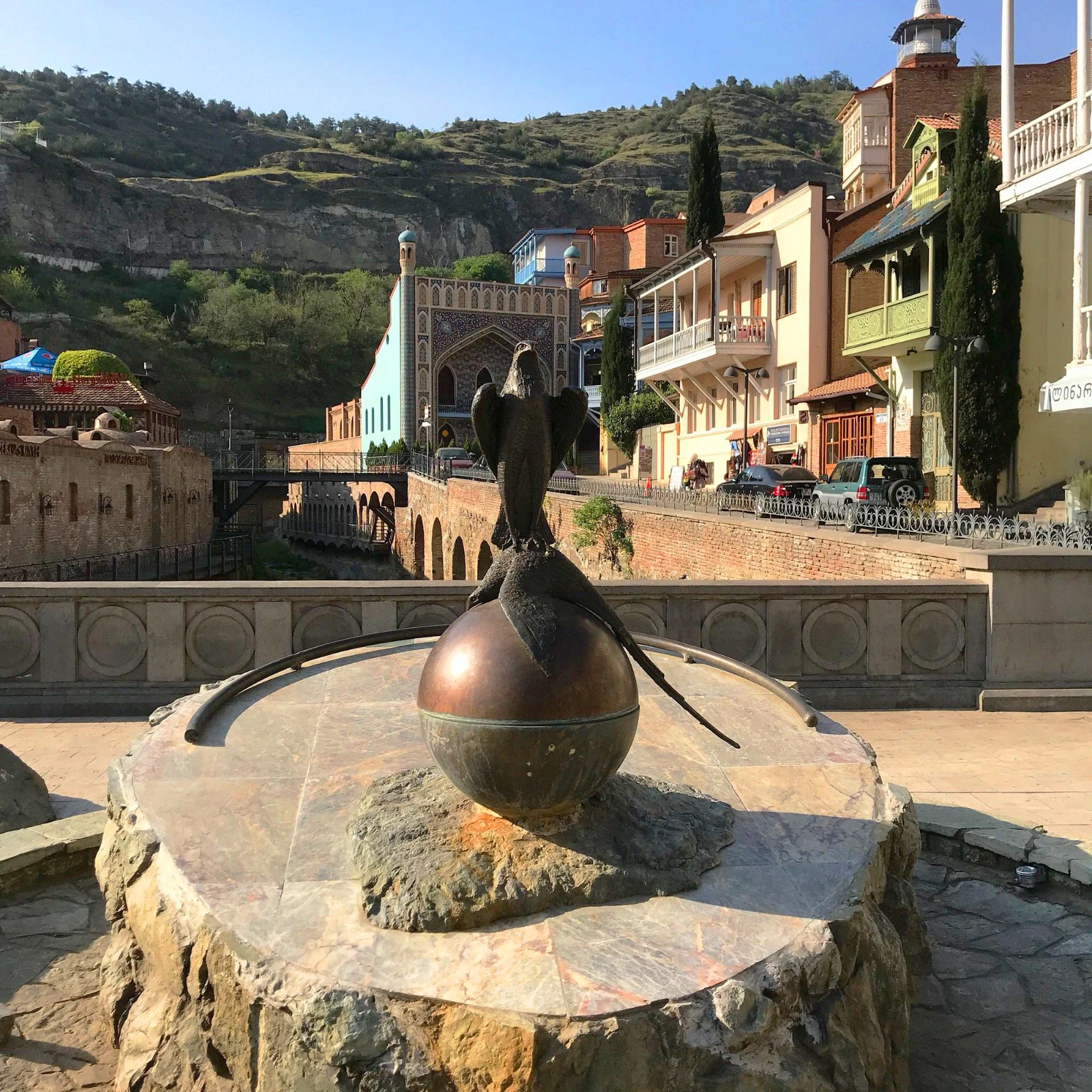
According to the chronicle, one day, King Vakhtang set out hunting in the wooded hills near the Mtkvari River, accompanied by his falcon and entourage. During the hunt, the king’s falcon struck a pheasant, injuring it. Instead of falling to the ground, the bird flew away, disappearing into the dense forest. Curious—and unwilling to abandon the prize—Vakhtang followed.
What happened next is the core of the legend. The wounded pheasant fell into a hot spring, where the steaming waters either healed it completely or, according to some versions, cooked it alive. When the king and his men arrived, they discovered a landscape unlike any they had seen before: bubbling sulfur springs, warm mist rising from the earth, and fertile land nestled along the river. Vakhtang was astonished. The place seemed alive, as though the earth itself breathed.
The king immediately recognized the strategic and practical value of the site. Warm springs could provide healing, comfort, and year-round habitation. The river offered trade and defense. The surrounding hills created a natural fortress. This is why he decided to establish a capital in the place.
A Word or Two about the Bird
You may not know that the pheasant is native to the Caucasus. The common pheasant (Phasianus colchicus)—the species most people recognize—originated in the region around the Caucasus Mountains and the Black Sea, including parts of present-day Georgia.
In fact, the bird’s scientific name, colchicus, comes from Colchis, an ancient region in Western Georgia. The English word “pheasant” comes from the Latin phasianus, meaning “bird from the Phasis.” Phasis was the ancient Greek name of a river in Western Georgia—today known as the Rioni River. The region around this river was part of ancient Colchis, a land well known to the Greeks through trade and mythology (including the legend of the Golden Fleece, but we will get into that in another post).
This connection is why pheasants are deeply rooted in Georgian natural and cultural history.
Legend vs. History: What Do We Know?
Scholars generally agree that the area around modern-day Tbilisi was inhabited long before the 5th century, with archaeological evidence indicating continuous human presence for thousands of years. However, the reign of Vakhtang Gorgasali marked a crucial stage in the region’s transformation.
Under his leadership, defenses were strengthened, churches were built, and the political heart of the kingdom gradually moved toward Tbilisi. By the 6th century, the city had emerged as a major urban center, strategically positioned along key trade routes connecting Europe and Asia.
Therefore, while the pheasant legend is likely symbolic rather than historical, it reflects a deeper truth: Vakhtang recognized the importance of the location and helped turn it from a natural landscape into a flourishing city.
More Than a Founding Myth
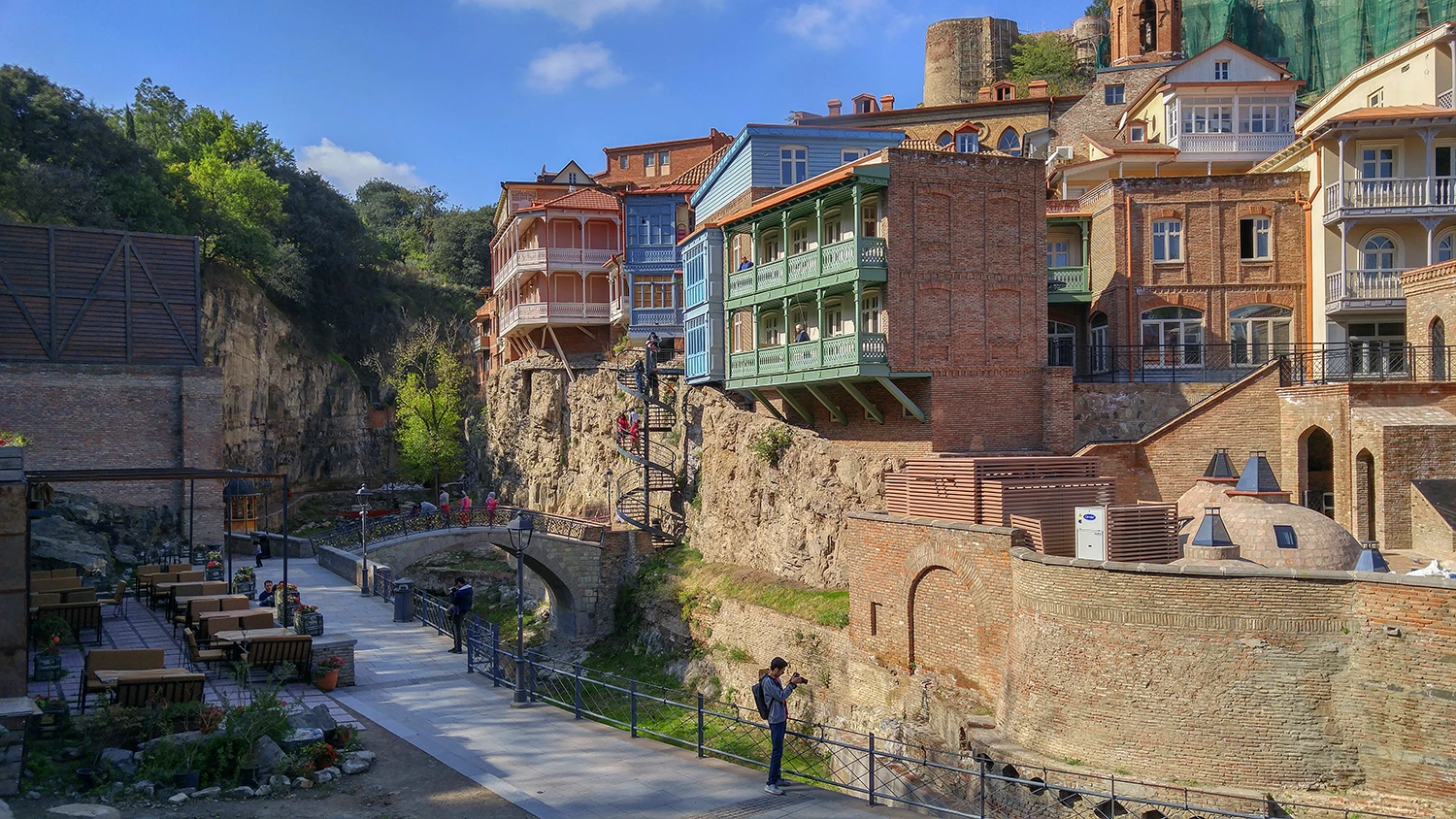
The legend of Tbilisi’s founding is not just a charming folktale—it is a statement of identity. It explains why the city feels organic, layered, and alive. Tbilisi was not imposed on the land; it emerged from it.
And so, when steam rises from the sulfur baths on a cool evening and the lights of the old town flicker against ancient stone, the legend feels less like a myth and more like a memory the city itself refuses to forget.
We created Memo — a brand where Georgian memories come to life.
Visit Memo By GSH and take a piece of Georgia with you – Www.memories.ge