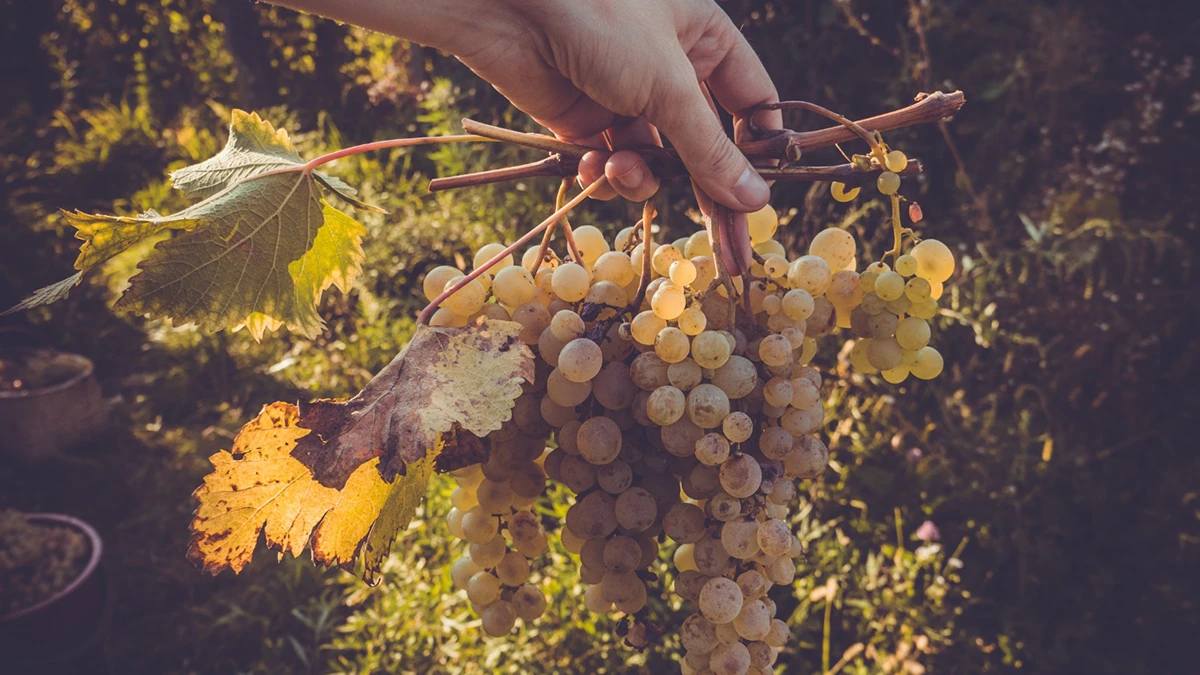

The Endless Parade of Festive Foods: Christmas Traditions in Georgia
(Cover photo by Nibble)
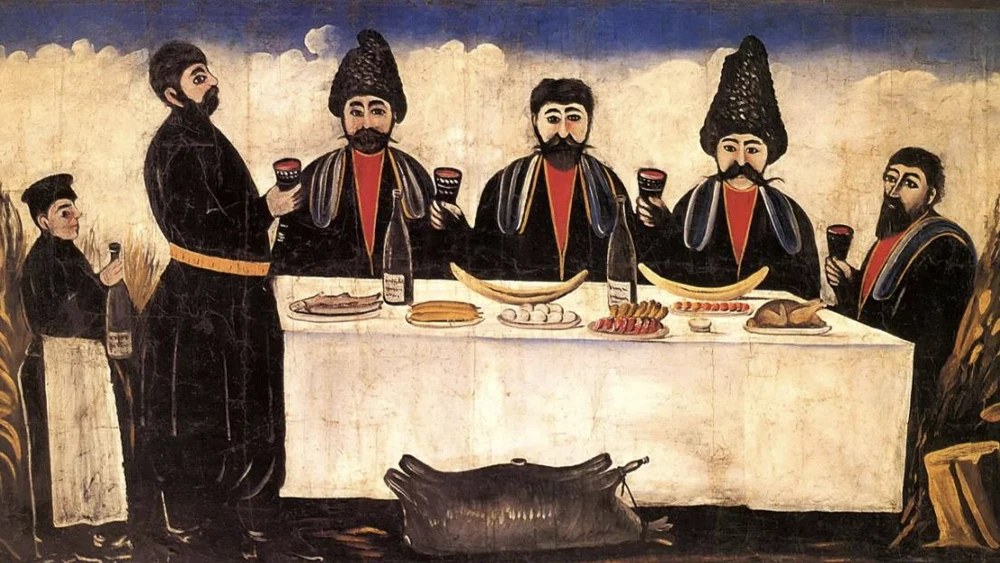
Christmas in Georgia is inseparable from generous feasting, with each region contributing its own specialties. The holiday table represents hospitality, abundance, and the joy of sharing familiar dishes passed down through generations.
It is not just the need to follow tradition, but a chance to create and re-create the dishes we all love from childhood, treat our taste buds, and enjoy several days of feasts in the middle of otherwise stressful, gray, and “hungry” season.
Here are several examples of dishes prepared for the winter holidays:
Guruli Gvezeli and Other Festive Breads and Pies:
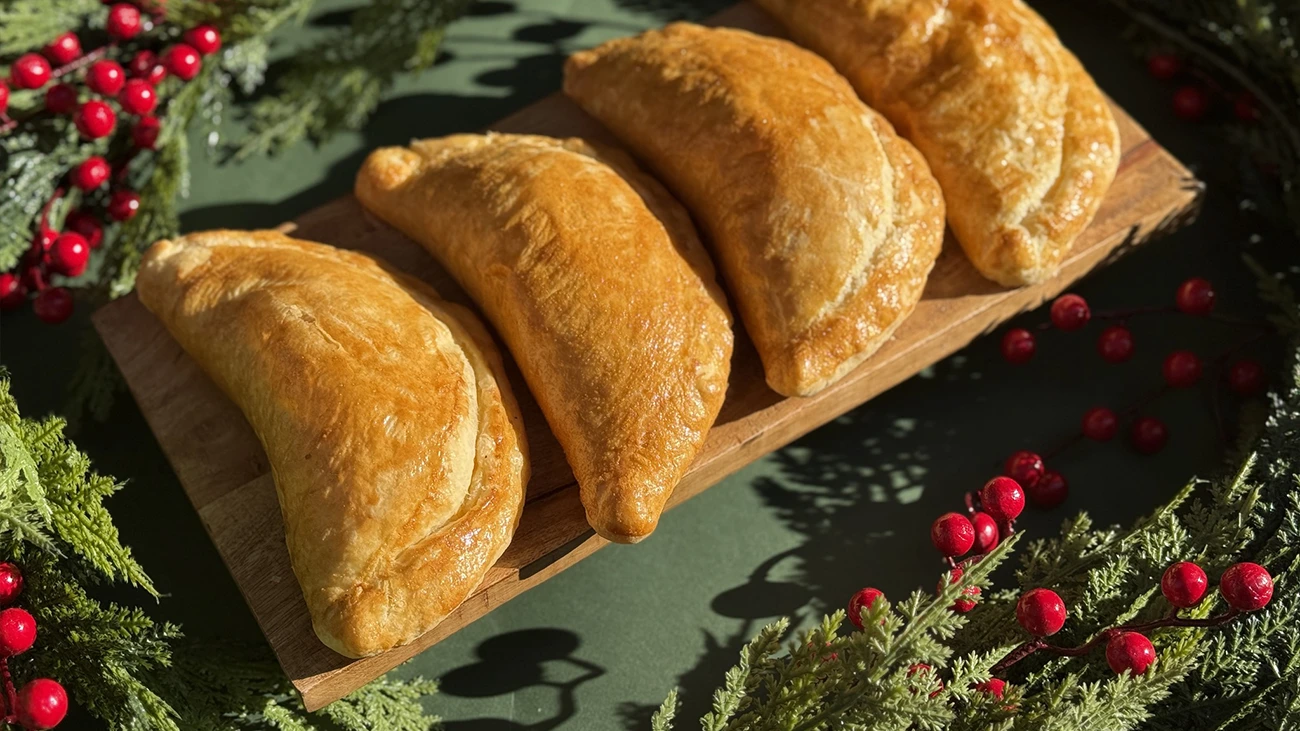
In Guria, families prepare guruli gvezeli—a crescent-shaped pie filled with cheese and hard-boiled eggs—often baked in quantities matching the number of family members.
In mountainous regions like Khevi and Mtiuleti, ritual breads marked with cross-shaped cuts are baked to bless and protect the household.
Meat and Mountain dishes:
In Svaneti, pork is traditionally prepared for Christmas, along with dishes such as kubdari and khinkali.
In Pshavi and Khevsureti, hearty meat dishes are common, often accompanied by homemade beer or distilled chacha.
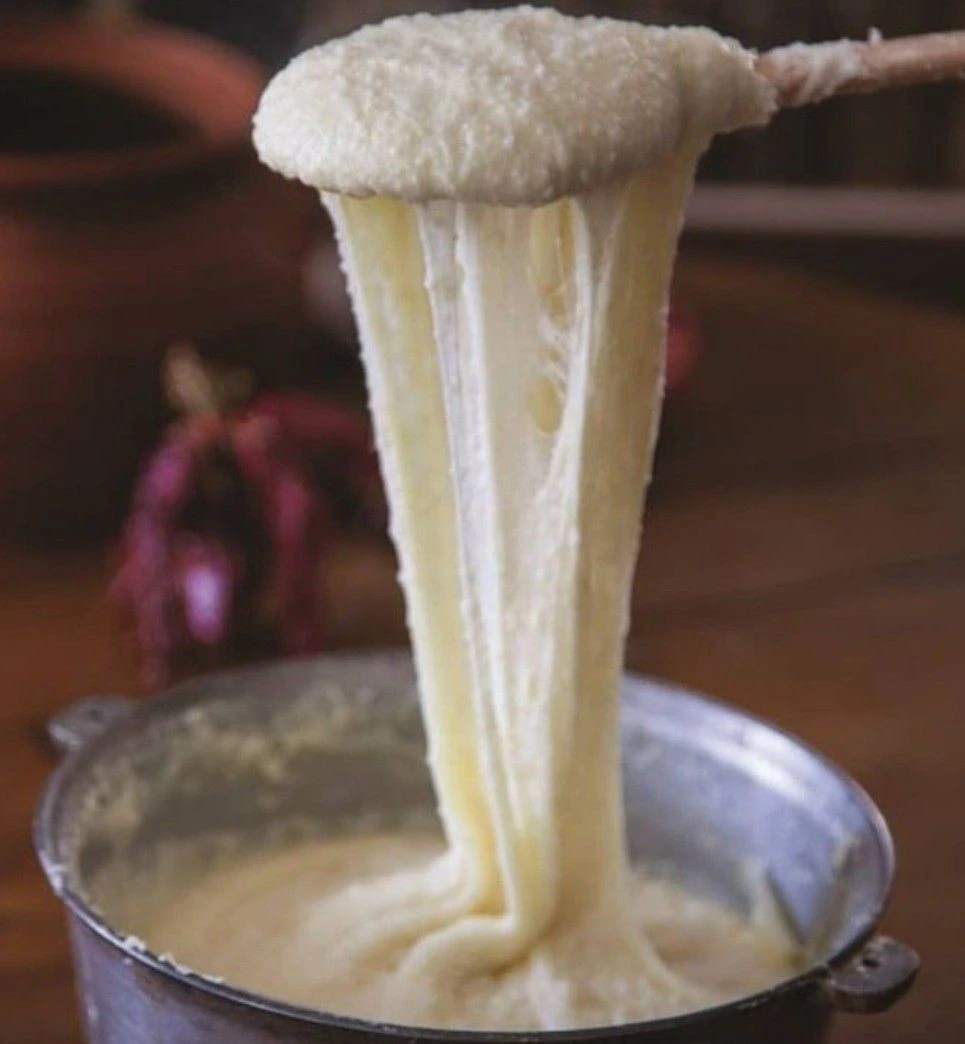
Photo My fragrant kitchen
Western Georgia Favorites:
In Imereti, Samegrelo, and Guria, Christmas menus may include satsivi (poultry in walnut sauce), elarji (cornmeal with sulguni cheese), gozinaki (honey-fried walnut confection), and pelamushi (grape juice pudding). Dried fruits, such as dried persimmons, are also valued as symbols of prosperity and health in the year ahead.
Walnuts are in abundance as well, often used to give special flavor to savory dishes like satsivi or in desserts like walnut jam. And don’t forget tangerines are in season, showing up on every feast, full of vitamin C and tasting like summer.
Modern influences:
The above list of traditional Georgian dishes does no justice to the Georgian feast around the winter holidays.
Many more traditional dishes are expected, such as variations of khachapuri or ground meat wrapped in grape leaves, but mentioning all of them would take over this blog post.
However, I’d like to mention modern trends as well, since just re-creating traditional winter dishes is often not enough for households where culinary is a state of the art, not just a necessity.
Firstly, there used to be a salad or two traditional during Soviet times all over the Union, and Georgia is no exception.
Today, it took the shape of trying out new salad recipes or re-imagining the Soviet ones, since those are not related to sacred rituals or grandmothers’ particular way of cooking.
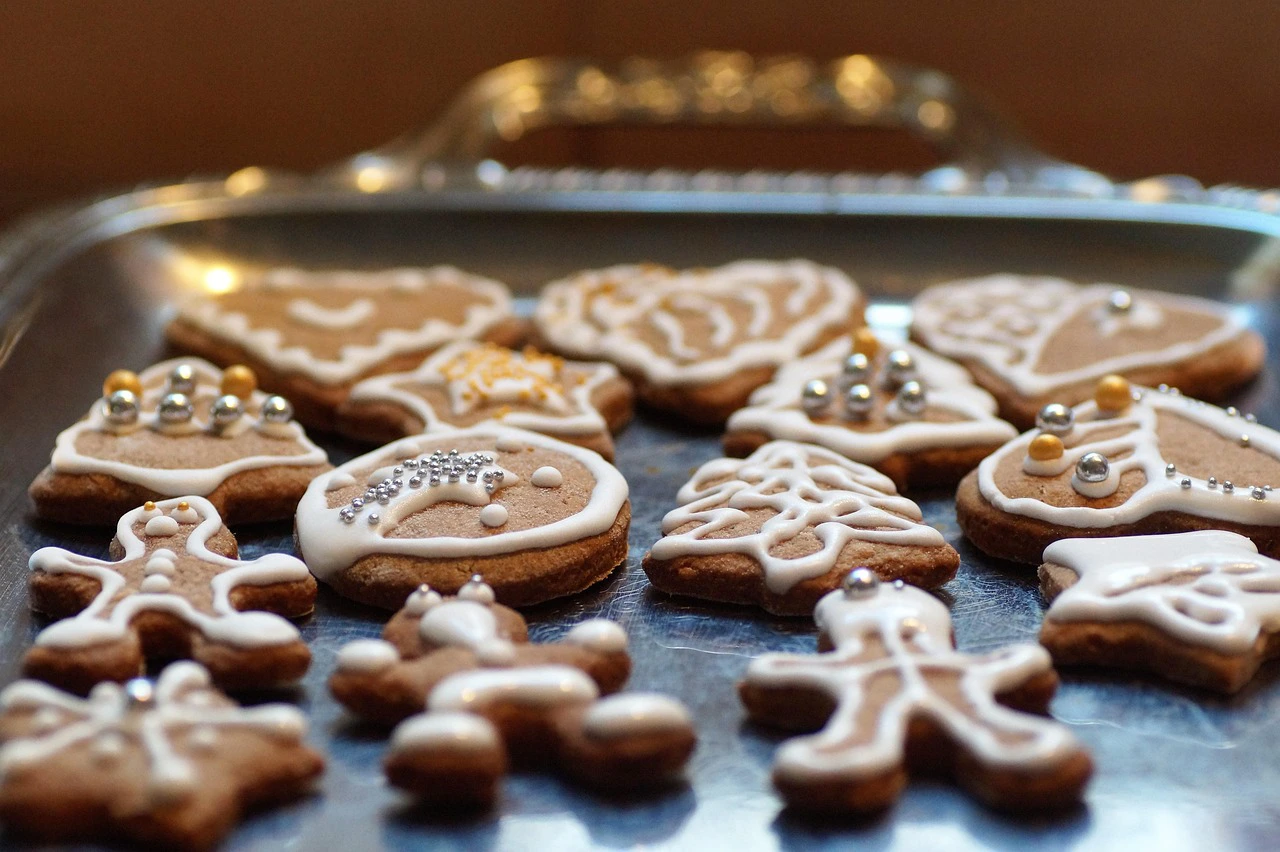
Sometimes, European traditional dishes are incorporated as well, for example, a Christmas stollen (German dessert bread) seems to be particularly attractive, as is relaxing with the mulled wine with spices and oranges.
Eastern trends are incorporated as well, since Georgians often note what year it is according to the Chinese calendar (even though the Chinese New Year is celebrated on a different date altogether) and follow advice on what foods, colors, and ideas bring luck in that particular year.
It is also traditional to purchase extra candy and chocolates as winter holidays include lots of visiting and feasting, and guests are expected to bring something sweet to the hosts.
Therefore, you end up buying candy assortments solely for the purpose of giving them away, and so does everyone else, and those boxes of candy are being constantly exchanged and circulated through many parties without anyone actually opening them.
Photo by Kviris Palitra
Modern Celebration and Unity
Today, Georgian Christmas blends deep religious devotion with vibrant communal life.
Cities like Tbilisi, Kutaisi, and Batumi host processions, concerts, and festive events, while remote villages preserve age-old customs tied to land and ancestry.
Together, New Year and Christmas in Georgia form more than a holiday season—they represent a living tapestry of faith, music, food, and shared joy.
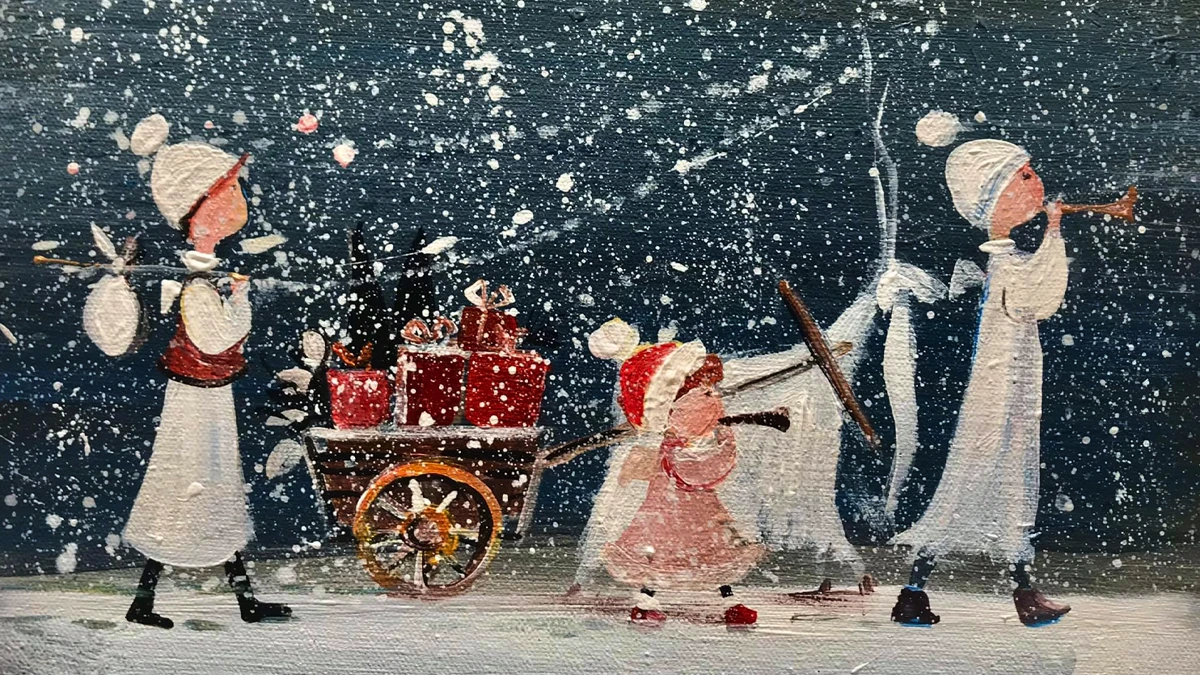
From the solemn glow of a candle in a window,to the uplifting procession of Alilo, from chichilaki burnt in symbolic renewal to researching what particular foods this year’s Chinese calendar animal approves, Georgian winter holiday traditions speak to both personal devotion and collective celebration.
We created Memo — a brand where Georgian memories come to life.
Visit Memo By GSH and take a piece of Georgia with you – Www.memories.ge