
Tbilisi’s Entrance Halls: The Hidden Museums of Sololaki
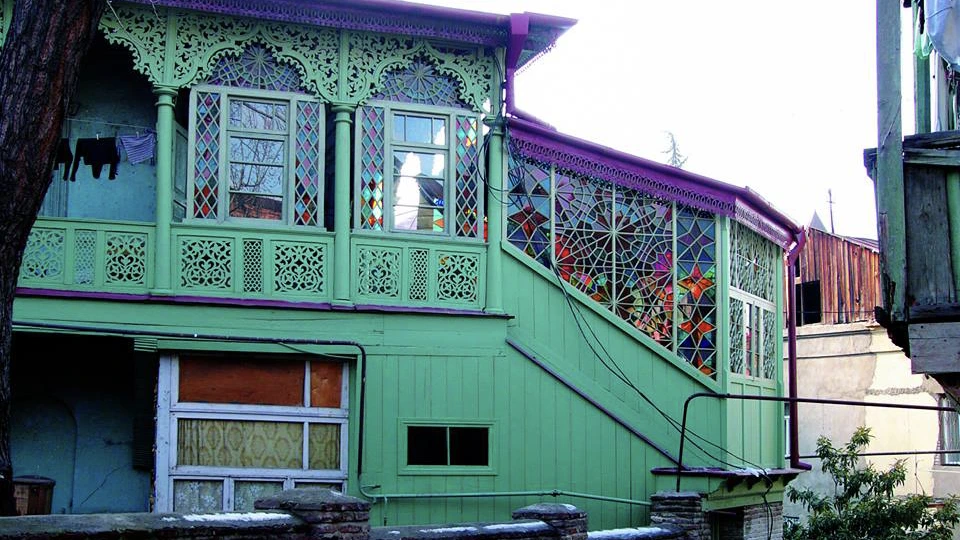
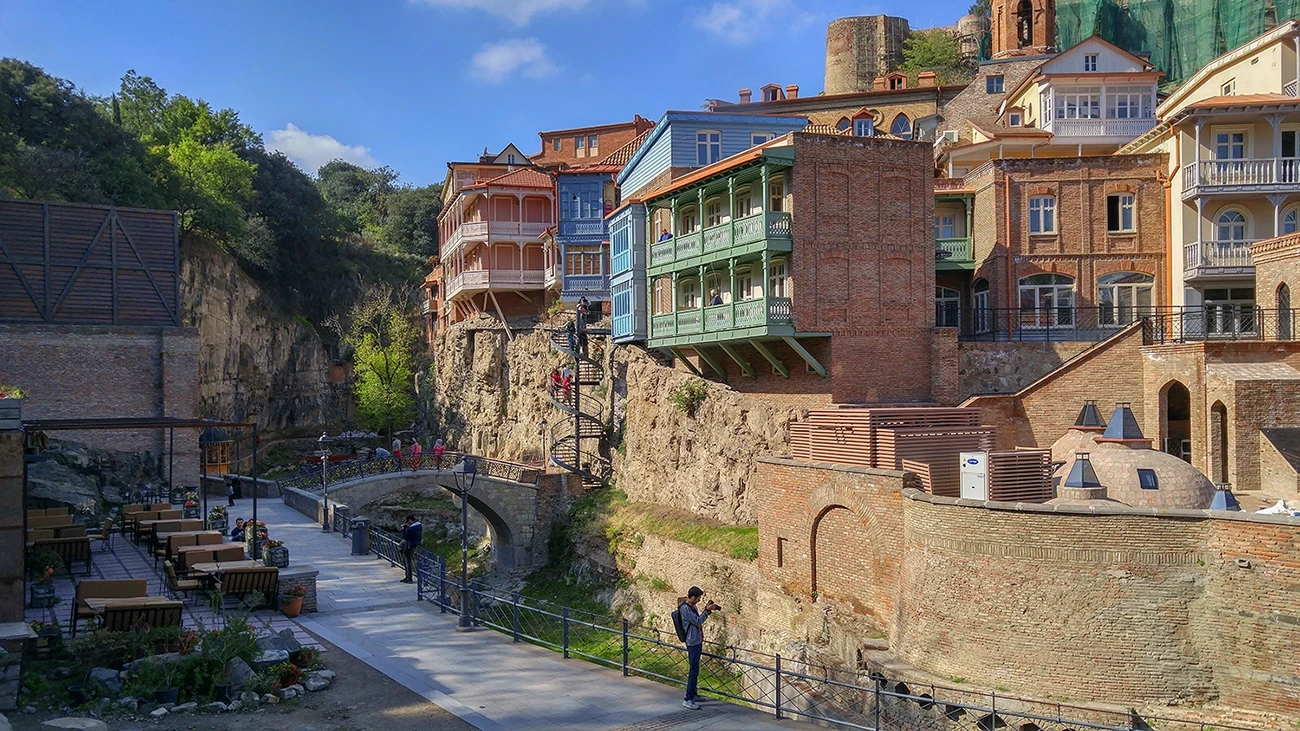
Whenever you talk to a tourist guide about Tbilisi, you’ll most likely hear stories about the fortress wall, the legend of Tbilisi and the sulfur baths, the cobbled streets of old town, and other popular places. Visitors often gravitate towards iconic landmarks. Yet beyond these well-known sites lies a quieter treasure: the entrance halls of Sololaki’s historic buildings. Tucked behind heavy wooden doors and faded façades, these spaces function as unintentional museums, preserving fragments of Tbilisi’s artistic and cultural past. The most precious part about them: people still live in those houses and use the hallways not like a special artifact, but as a part of their everyday life.
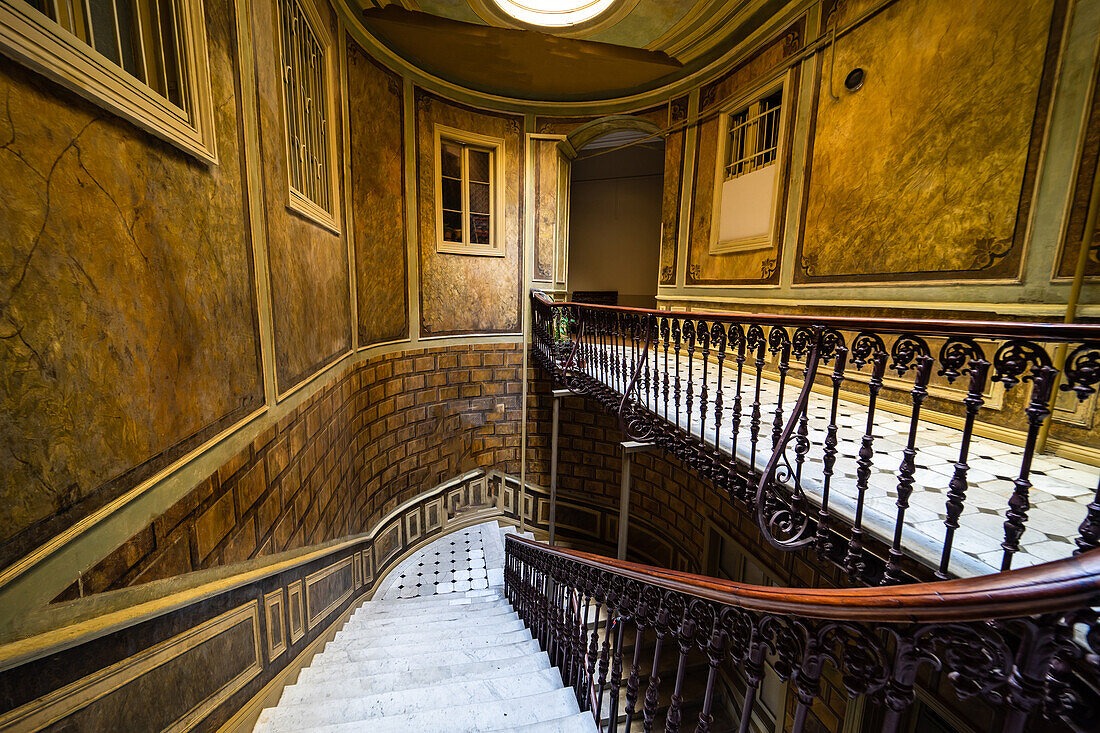
A Neighborhood of Layers
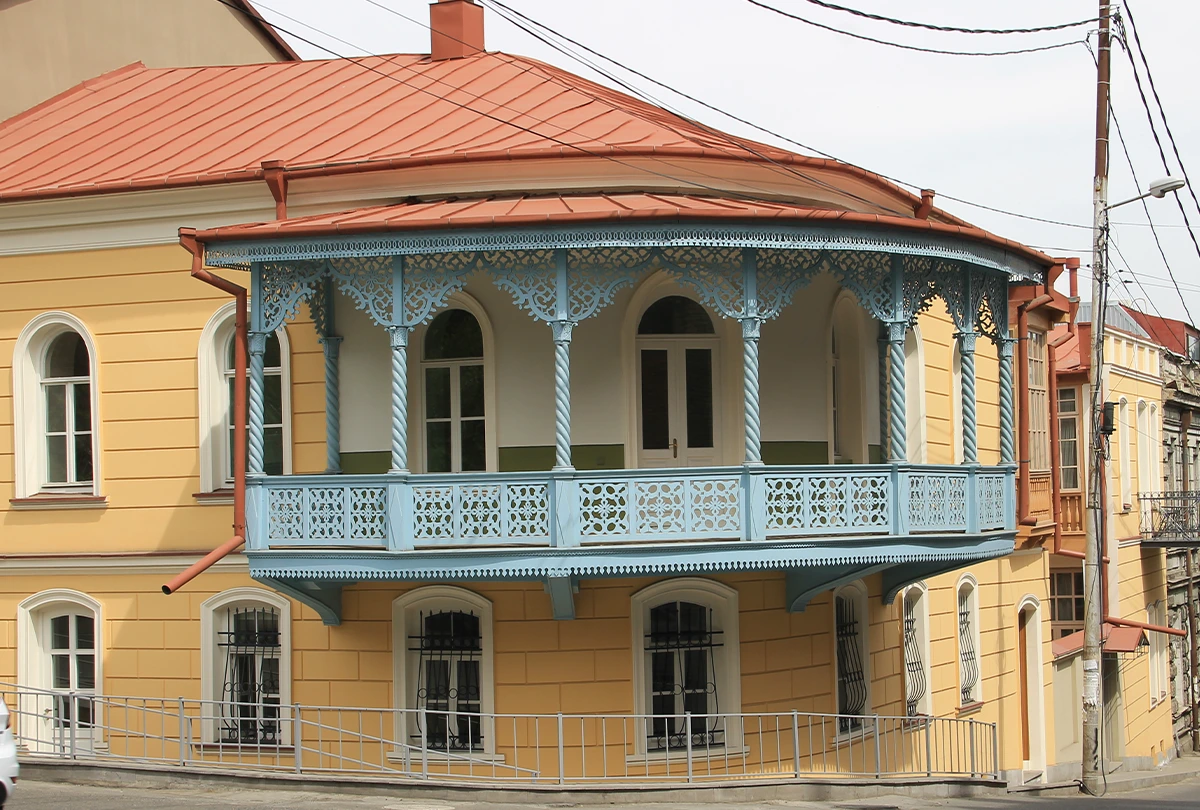
Situated in the heart of old Tbilisi, Sololaki has long been one of the city’s most distinguished districts. In the 19th and early 20th centuries, it became home to merchants, intellectuals, artists, and affluent families. The neighborhood flourished during the Russian Imperial era, when architectural experimentation and cosmopolitan tastes influenced urban development. I believe that the unique charm of Sololaki lies not in individual buildings per se – many great European cities boast much more impressive examples of Art Nouveau or Modernist movement, but in the unusual mix of these European motifs and Persian influence, coupled with the shapes that Tbilisi’s hilly landscape dictates. The entrance halls reflect this idea and unify the following architectural styles:
Eclecticism (Late 19th Century) is the dominant style in Sololaki. Eclecticism combines elements from various historical European styles—Renaissance, Baroque, Classical—into a single façade. Wealthy merchants and industrialists commissioned these buildings to showcase status and cosmopolitan taste.
Features:
- Highly decorated façades
- Ornamental balconies
- Sculptural reliefs and coats of arms
- Symmetrical compositions
- Rich plaster and stone detailing
Many of Sololaki’s grand corner buildings fall into this category.
Art Nouveau (1890–1915) arrived in Tbilisi through European influence during the Russian Empire. In Sololaki, it often appears in entrance halls and decorative elements rather than entire structures.
Features:
- Flowing floral motifs
- Curved lines and organic shapes
- Decorative wrought iron
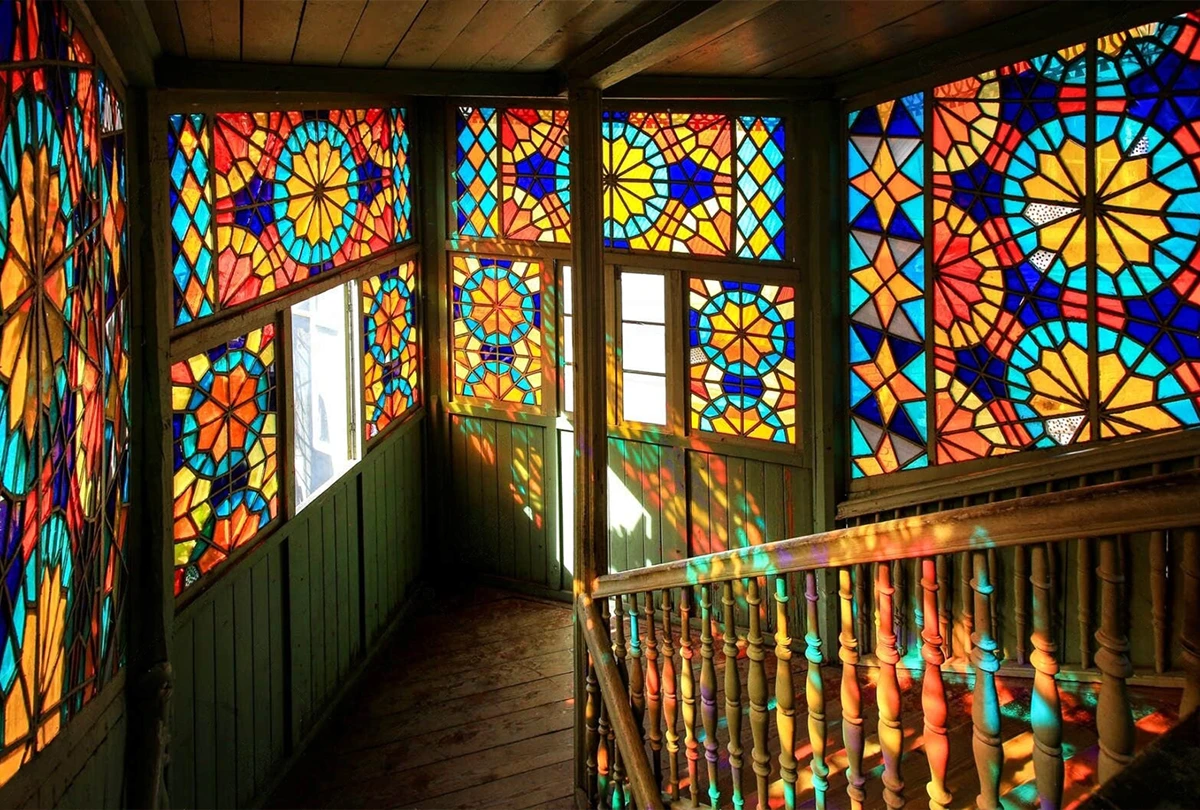
- Stained glass
- Stylized female faces or botanical reliefs
It gives certain buildings a lighter, more artistic elegance.
Neo-Classical (1850s–1910s) was inspired by Greco-Roman architecture. Neo-Classical buildings emphasize order and balance.
Features:
- Columns and pilasters
- Triangular pediments
- Clean symmetry
- Minimal but refined ornamentation
In Sololaki, Neo-Classical elements are often blended with other styles rather than appearing in pure form.
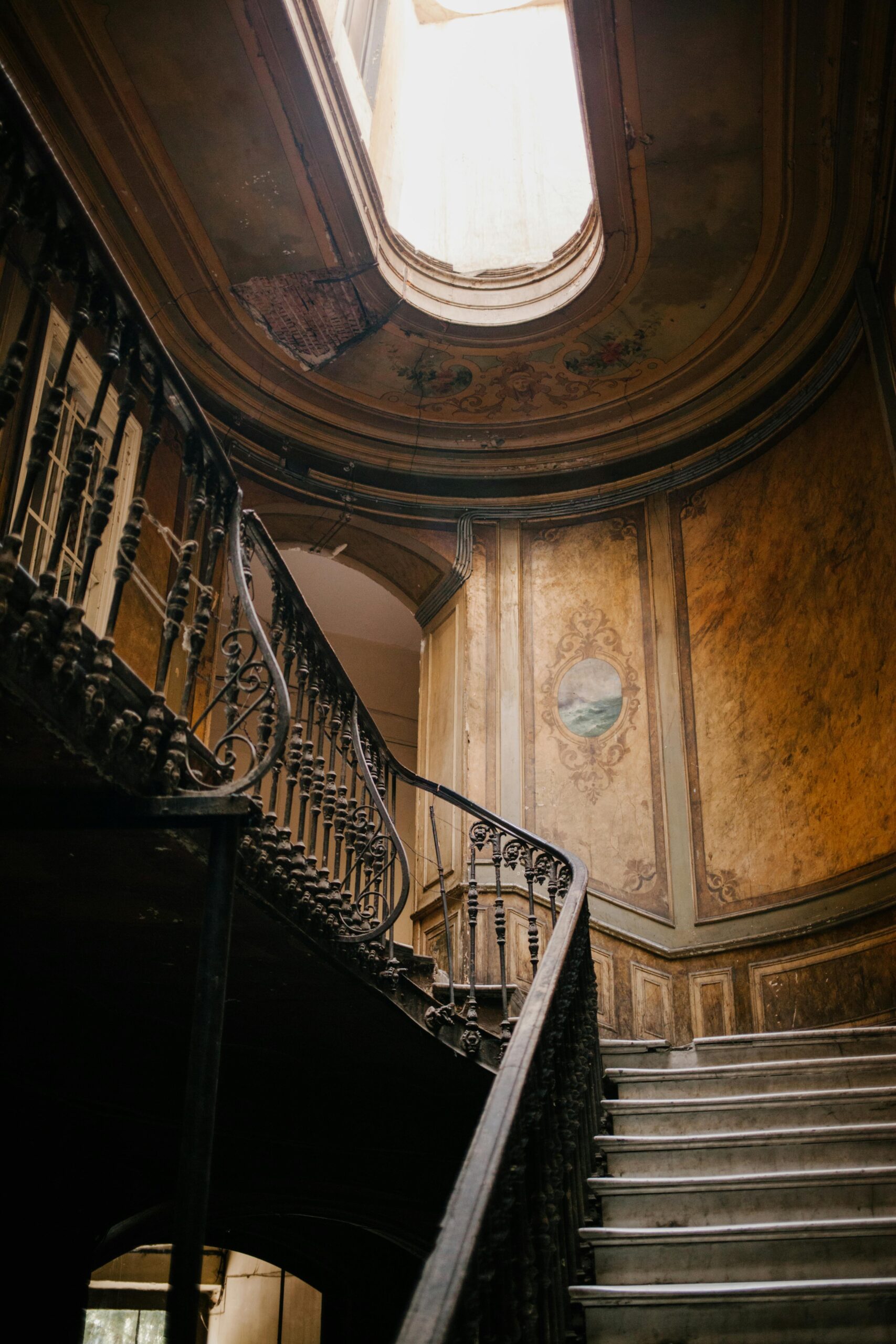 Neo-Baroque & Neo-Renaissance (roughly 1860s–1910s), these revival styles were popular among affluent families wanting dramatic façades.
Features:
- Heavy ornamentation
- Sculpted faces and decorative cartouches
- Rounded windows
- Elaborate cornices
These buildings feel theatrical and grand—almost like small urban palaces.
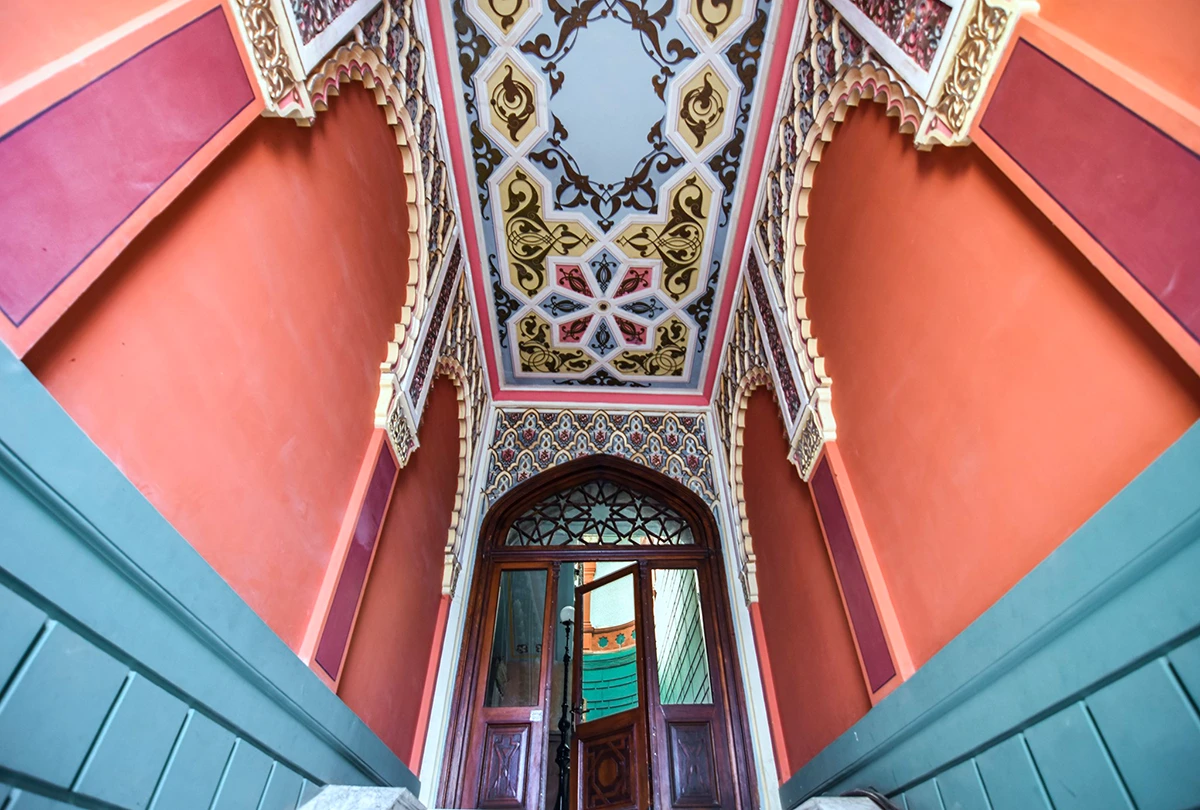
Oriental / Persian Influences (1850s–1910s), since Tbilisi for centuries was under Persian cultural influence, Eastern elements appear subtly —especially in interior details
Features
- Geometric tilework
- Wooden latticework
- Decorative arches
- Pattern-heavy ornamentation
These influences are more common in stairwells and courtyards than street façades.
Early Modern / Constructivist (1920s–1930s) After the Soviet takeover, architectural taste shifted toward functionalism.
Features:
- Minimal ornamentation
- Geometric forms
- Flat façades
- Emphasis on utility
These buildings contrast sharply with the decorative richness of earlier Sololaki architecture.
Art Behind the Door
One of the most remarkable aspects of Sololaki’s entrance halls is this fusion of styles, colors, shapes, and influences. Each hallway offers clues about the period it belongs to and the influences shaping Tbilisi at the time. Some buildings feature mosaic floors arranged in intricate botanical or medallion designs.
Others display ceiling rosettes, painted friezes, or ornamental arches. Some have now abolished little fountains in front of them. Some are wooden. Some have fancy latticework. Even seemingly small details—like brass door handles or carved banisters—demonstrate a level of care and artistry rarely found in modern apartment buildings.
The Gems
Though many entrance halls are remarkable in their own quiet way, some stand out for their distinctive character. Here are some of the most beautiful hallways in Sololaki:
18 Galaktion Tabidze Street
Why it’s special:
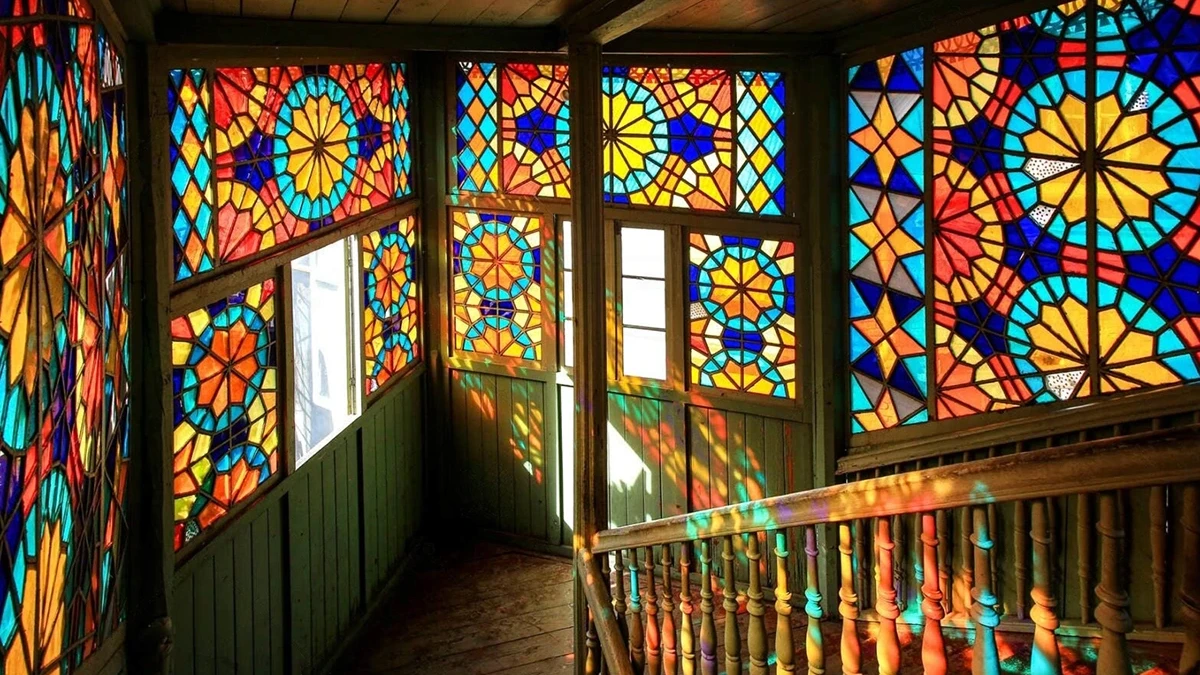
Often called one of the most beautiful stairwells in Tbilisi, this hall features elegant stained glass, painted ceilings, and decorative iron railings. The light filtering through the colored glass creates a soft, dreamlike atmosphere.
What to look for:
- Ceiling medallions and floral plasterwork
- Original patterned tile flooring
- Curved Art Nouveau details
13 Ivane Machabeli Street
Why it’s special:
This building is famous for its dramatic wall paintings and richly decorated ceiling. It feels almost theatrical — like stepping into a 19th-century private residence.
What to look for:
- Faded fresco-style wall art
- Ornamental plaster ceiling
- Wide, sweeping staircase
36 Betlemi Street
Why it’s special:
More intimate but incredibly atmospheric. The carved wooden staircase and subtle Eastern-inspired details reflect Tbilisi’s Persian-influenced past.
What to look for:
- Dark wood banisters
- Geometric tile patterns
- Soft natural lighting
17 Lado Asatiani Street
Why it’s special:
A classic Sololaki example with a beautiful mosaic floor and subtle Neo-Classical touches. Less flashy than some others, but very authentic.
What to look for:
- Geometric mosaic flooring
- Decorative ceiling rosettes
- Wrought-iron stair details
9 Geronti Kikodze Street
Why it’s special:
A quieter gem with strong Art Nouveau influence and delicate ornamentation. Not always mentioned in mainstream guides, which makes it feel like a real discovery.
What to look for:
- Flowing floral motifs
- Elegant railings
- Soft pastel tones
Exploring With Care
For those interested in discovering these hidden interiors, mindfulness is essential. Sololaki’s entrance halls are part of private residential buildings, not formal museums. Don’t be surprised if the residents don’t want you to enter the building, request you to be quiet, or allow only guided tours that are scheduled and coordinated with them. They have been bothered by tourists who try to look inside their houses for a while now. I once took a guided tour of the hallways, and some residents refused to let us inside, despite the event being planned. Sometimes all you get is a glance through the door, while other times you can enter the hallway, look around, and take pictures.
A few simple guidelines can enhance the experience:
- Move quietly and respectfully.
- Observe details—especially floors, ceilings, and stair railings.
- Use subtle lighting if necessary, as many halls are dim.
- Avoid touching fragile surfaces or disrupting residents.
Approaching these spaces with curiosity and sensitivity allows their atmosphere to unfold naturally.
The Urgency of Preservation
Local historians, photographers, and preservation advocates have begun documenting Sololaki’s architectural heritage. Their efforts aim to raise awareness about the artistic and historical significance of these interiors. However, preservation remains a challenge. Weather damage, neglect, and poorly executed renovations continue to threaten original features. It is difficult to name what I find more heartbreaking – when a hallway collapses due to time or when it is clumsily renovated with no care for the renovation criteria. Other times locals reshape the hallways to accommodate their needs, not paying attention to the historic significance, sometimes painting over a century-old murals, or placing appliances like the rear part of the air conditioner, which changes the microclimate and ruin interior.
Protecting these entrance halls means safeguarding more than decoration. It means preserving evidence of Tbilisi’s multicultural evolution and honoring the artisans who shaped its visual identity.
A Different Way to Experience Tbilisi
To truly understand Tbilisi, one must look beyond its grand monuments. The city’s essence lives in small, overlooked places—in stairwells, corridors, and thresholds where generations have passed. Next time you walk through Sololaki, pause before an old wooden door. Step inside, if appropriate. Notice the patterns beneath your feet and the curves above your head. These entrance halls are quiet storytellers, bridging centuries through art and architecture.
They may not appear in guidebooks, but they are among Tbilisi’s most authentic cultural treasures—hidden museums waiting to be discovered.
We created Memo — a brand where Georgian memories come to life.
Visit Memo By GSH and take a piece of Georgia with you – Www.memories.ge