
Understanding the Georgian Alphabet: A fun look at the unique Mkhedruli script
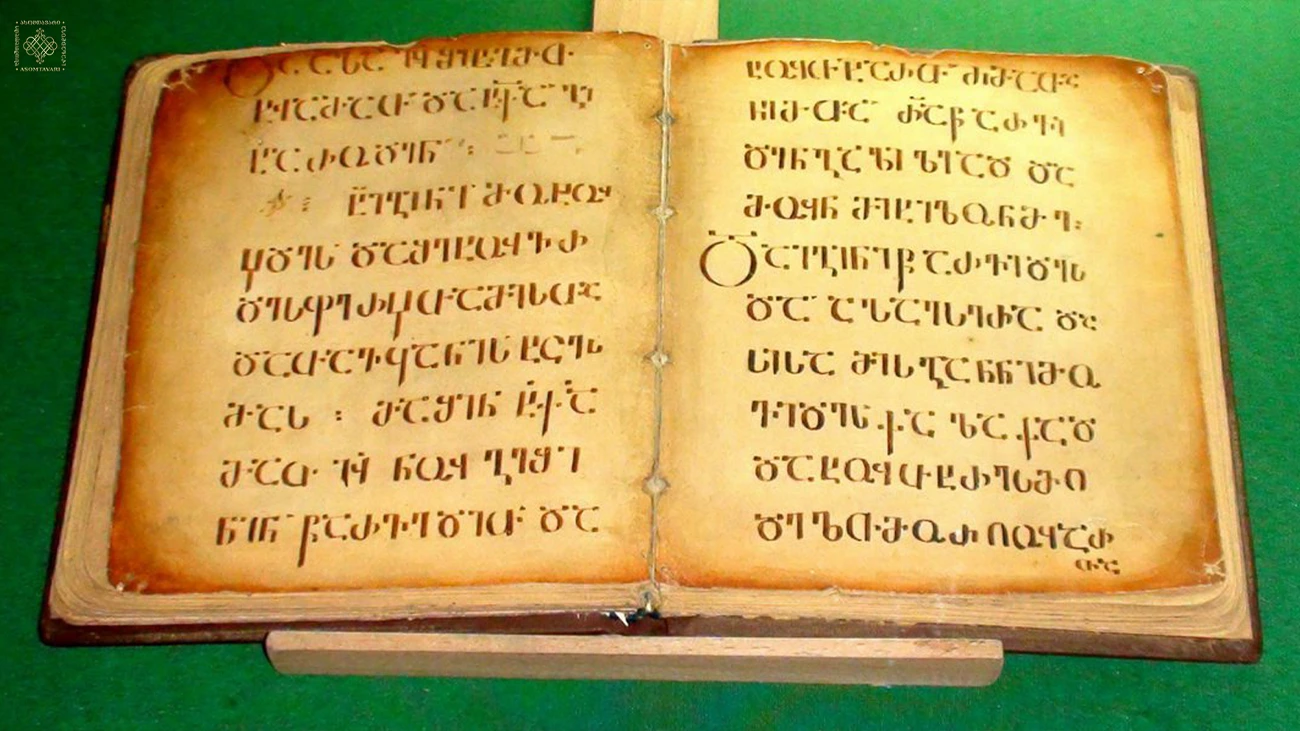
When people think about writing systems, they often picture familiar alphabets like Latin, Greek, or more unfamiliar ones like hieroglyphs. However, in the Caucasus region lies one of the most distinctive scripts in the world: the Georgian alphabet. It is known as Mkhedruli, and it stands out due to its unusual, curvy form and phonetic nature.
As a Georgian, I realized how unusual and fascinating it looks to everyone else once I left the country and showed it to my foreign friends. What feels completely normal to us can seem mysterious, even artistic, to those seeing it for the first time. The flowing letters, the lack of capitals, and the long strings of consonants often leave people wondering how our writing system even works.
Brief History
Georgia has developed three native scripts over time: Asomtavruli, Nuskhuri, and Mkhedruli. While the first two are mostly used today in religious or decorative contexts, Mkhedruli is the script we use for everything.
Mkhedruli appeared around the 10th century and gradually replaced the older scripts because it was more practical for daily writing. Its rounded forms allowed for faster handwriting and easier adaptation to books and documents.
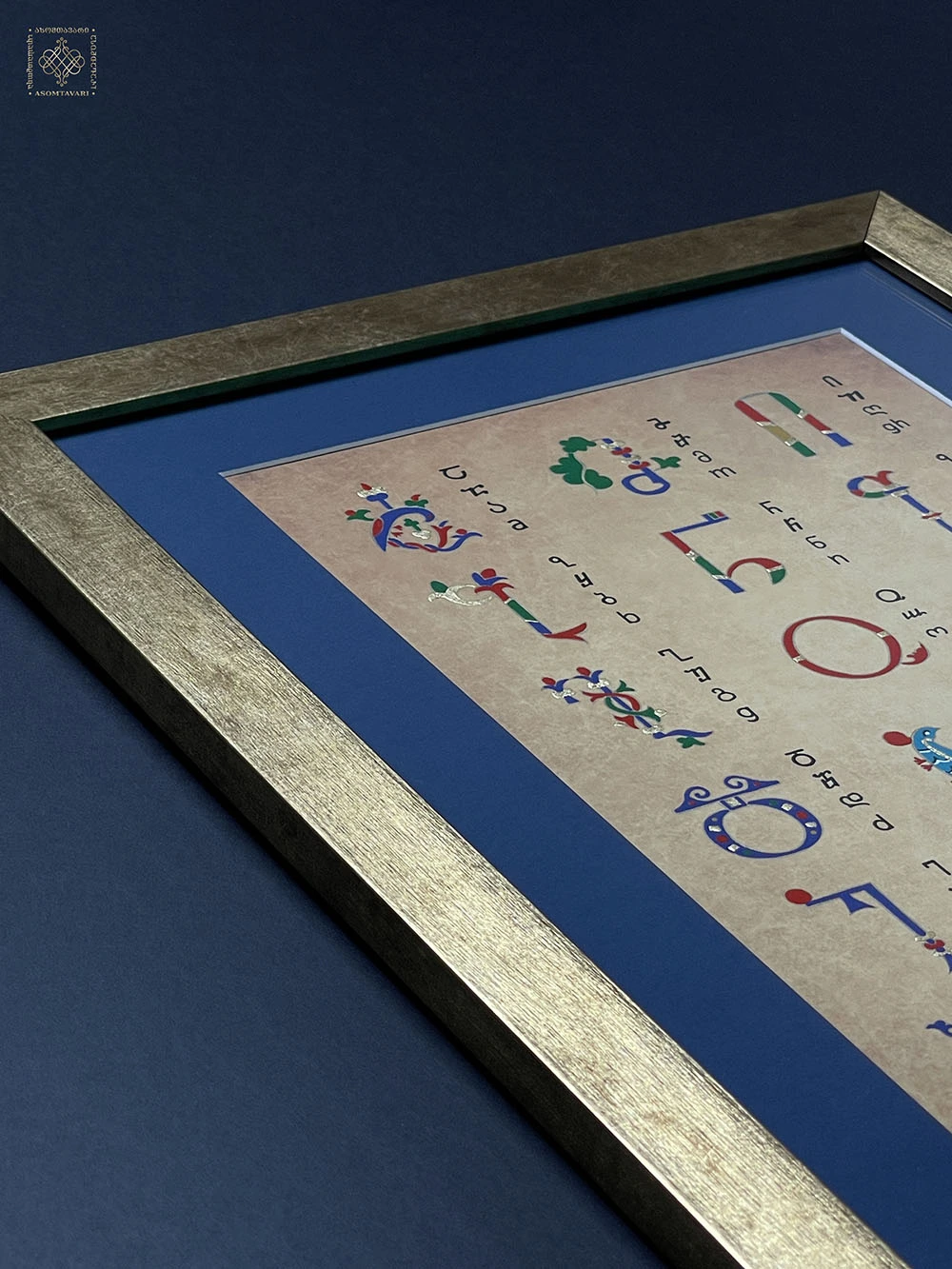 In 2016, UNESCO recognized Georgian writing traditions as part of the Intangible Cultural Heritage of Humanity, a reminder that our script is not just functional, but culturally significant and worth preserving.
The Curvy Alphabet
One of the first things people notice about Mkhedruli is how different it looks from other alphabets. There are almost no straight lines—everything flows in curves and loops. To many, it appears to be calligraphy or even abstract art.
There are also no capital letters, which often surprises learners. In Georgian, names, titles, and sentence beginnings are written the same way as everything else. We rely on context and punctuation rather than capitalization, which actually makes writing feel simpler and more consistent.
Phonetic Nature
The modern Georgian alphabet has 33 letters, and one of its greatest strengths is how phonetic it is. Each letter represents a single sound, and words are generally pronounced exactly as they are written. This is something I’ve come to appreciate more after encountering languages filled with silent letters and unpredictable spelling rules.
That said, Georgian pronunciation can still be challenging—especially because of our famous consonant clusters. Words with several consonants in a row are completely natural to native speakers.
Why the Georgian Alphabet Matters?
The Georgian alphabet is far more than a writing system—it reflects centuries of history, creativity, and cultural resilience. Mkhedruli has endured political change, foreign influence, and modernization while preserving its unique form and identity.
A significant consideration is that Mkhedruli was not borrowed or adapted from another writing system; it was developed specifically to accommodate Georgian phonetics. Because each letter closely matches a sound, the script works exceptionally well for the language. This close bond between language and script made Mkhedruli difficult to replace—switching alphabets would have meant losing precision and clarity in writing Georgian itself.
That is especially important, since Georgian literature, poetry, and historical records have been written in native scripts for centuries. From medieval manuscripts to modern magazines, Mkhedruli became the carrier of national memory. Even during periods of foreign rule, abandoning the script would have meant cutting ties with a vast written heritage—something Georgian scholars, writers, and clergy actively resisted.
 Georgia has experienced Persian, Ottoman, and Russian domination, each bringing its own language and script. Yet Mkhedruli remained in everyday use. While Russian was imposed administratively during the imperial and Soviet period, Georgian continued to be the main script at home, in literature, and in education. The script became a quiet form of resistance—a way of preserving identity without open rebellion.
For example, in the 19th and 20th centuries, as ideas of nationalism grew, Mkhedruli became a visible marker of being Georgian. Intellectuals and writers deliberately promoted the language and script as symbols of unity and continuity. During the Soviet era, when cultural expression was often controlled, the Georgian alphabet remained a non-negotiable element of local identity.
Mkhedruli in Everyday Modern Life
Many traditional scripts struggled to adapt to modern technology, but Mkhedruli leaped smoothly. It was encoded early in Unicode, allowing it to function online, on phones, and across global platforms. This digital presence ensured that Georgian did not become marginalized in a globalized, tech-driven world. Hence, Mkhedruli fits into modern life while remaining deeply traditional.
Georgian Connection with Mkhedruli
The Georgian alphabet represents continuity. It connects us to our past while remaining fully alive in the present. It has survived invasions, political changes, and centuries of external influence, remaining true to its identity. That resilience is something many Georgians feel deeply proud of.
Mkhedruli is more than a tool for communication—it’s part of who we are as Georgians. It carries our stories, our poetry and literature, and our everyday conversations.
So, the next time you see Georgian letters dancing across a sign or a page, know that behind every curve is a history, a culture, and a people who have kept their language—and their script—alive for generations.
We created Memo — a brand where Georgian memories come to life.
Visit Memo By GSH and take a piece of Georgia with you – Www.memories.ge